In the room
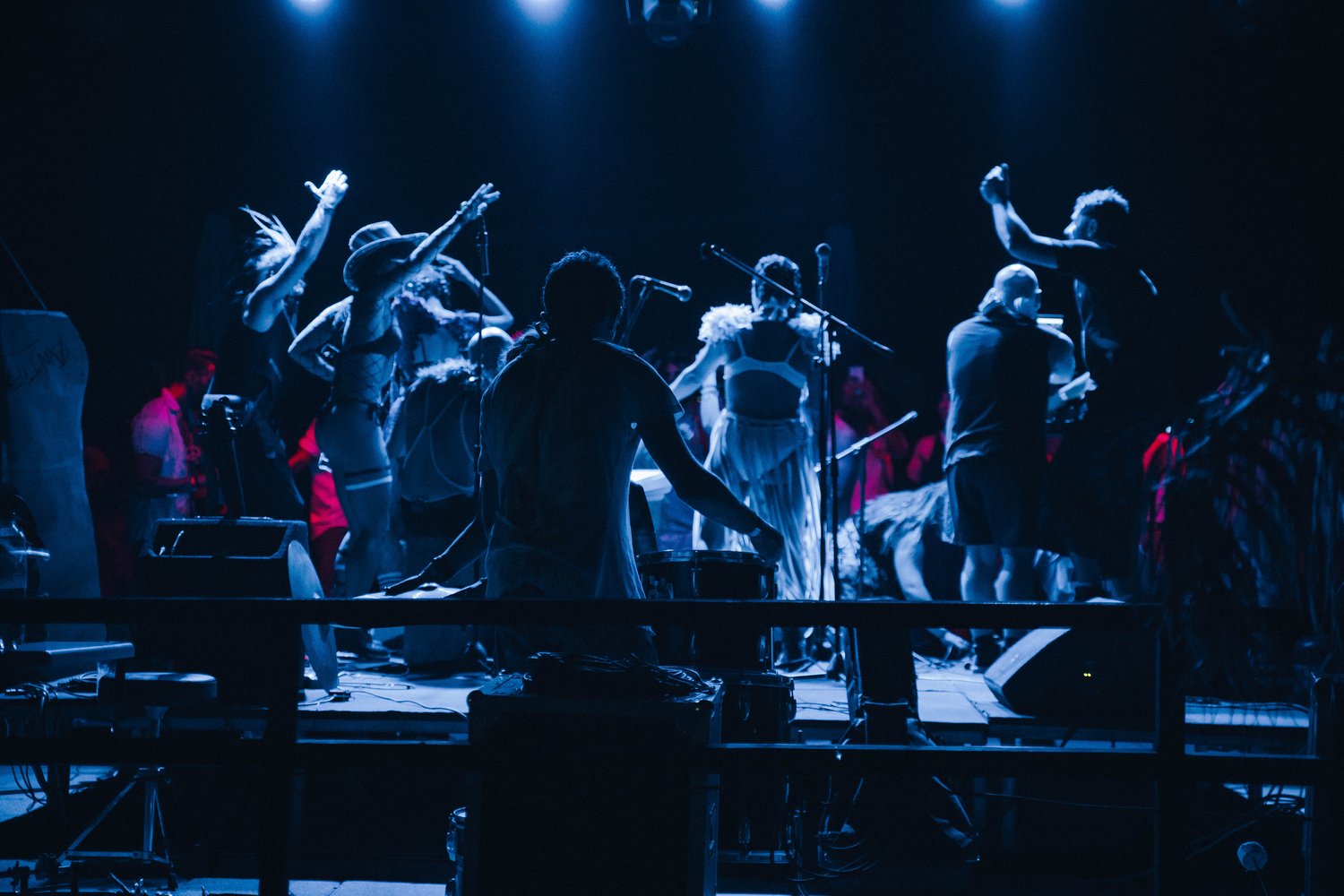
Art collective · Live events · Leadership
The same craft, off the screen. Leading a multi-city art collective the way I lead product.
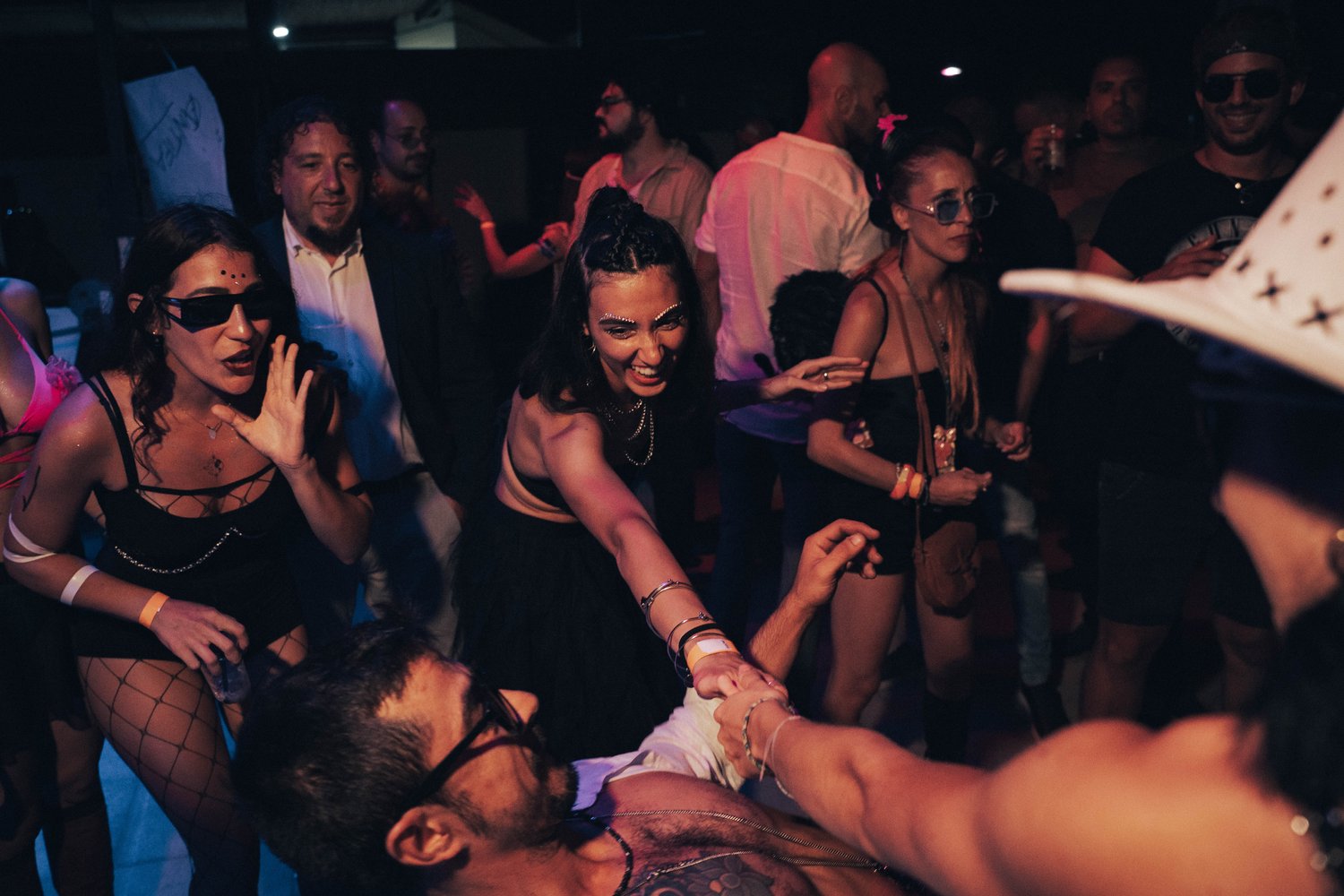
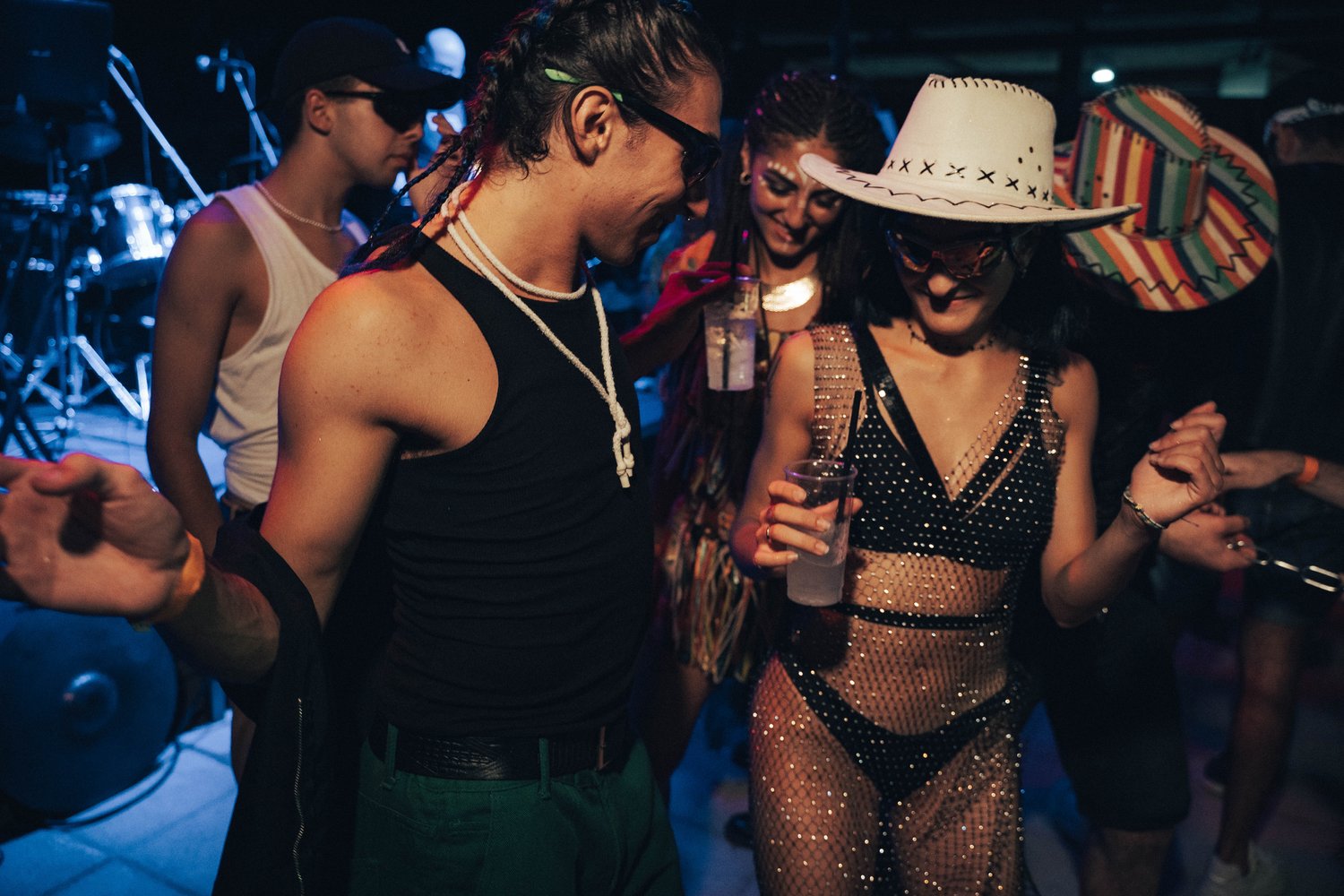
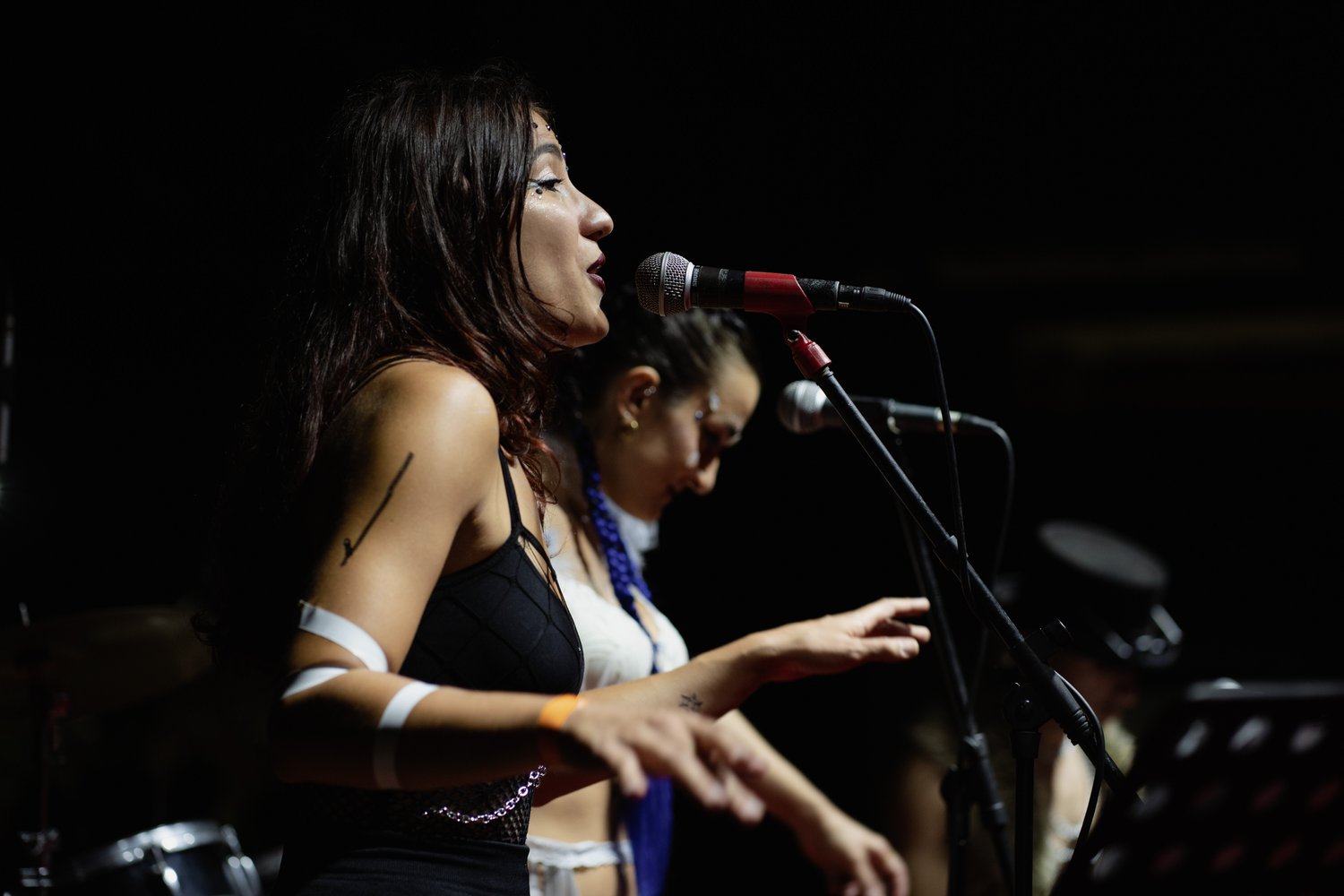
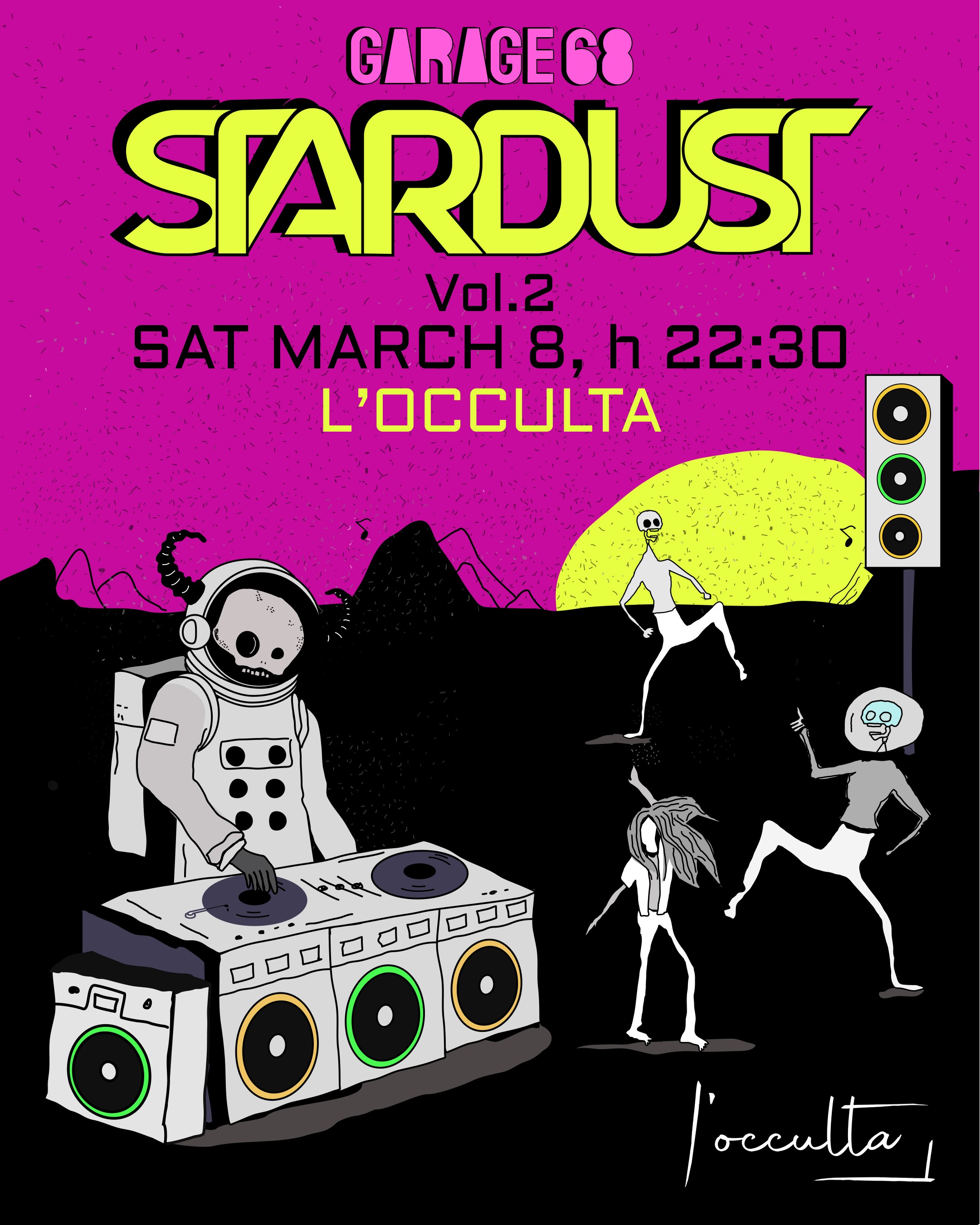
By day I lead product design at a cybersecurity company. By night I run Garage 68, an art collective active between Calabria, Barcelona and London, producing experimental events at the intersection of art, technology, and sound.
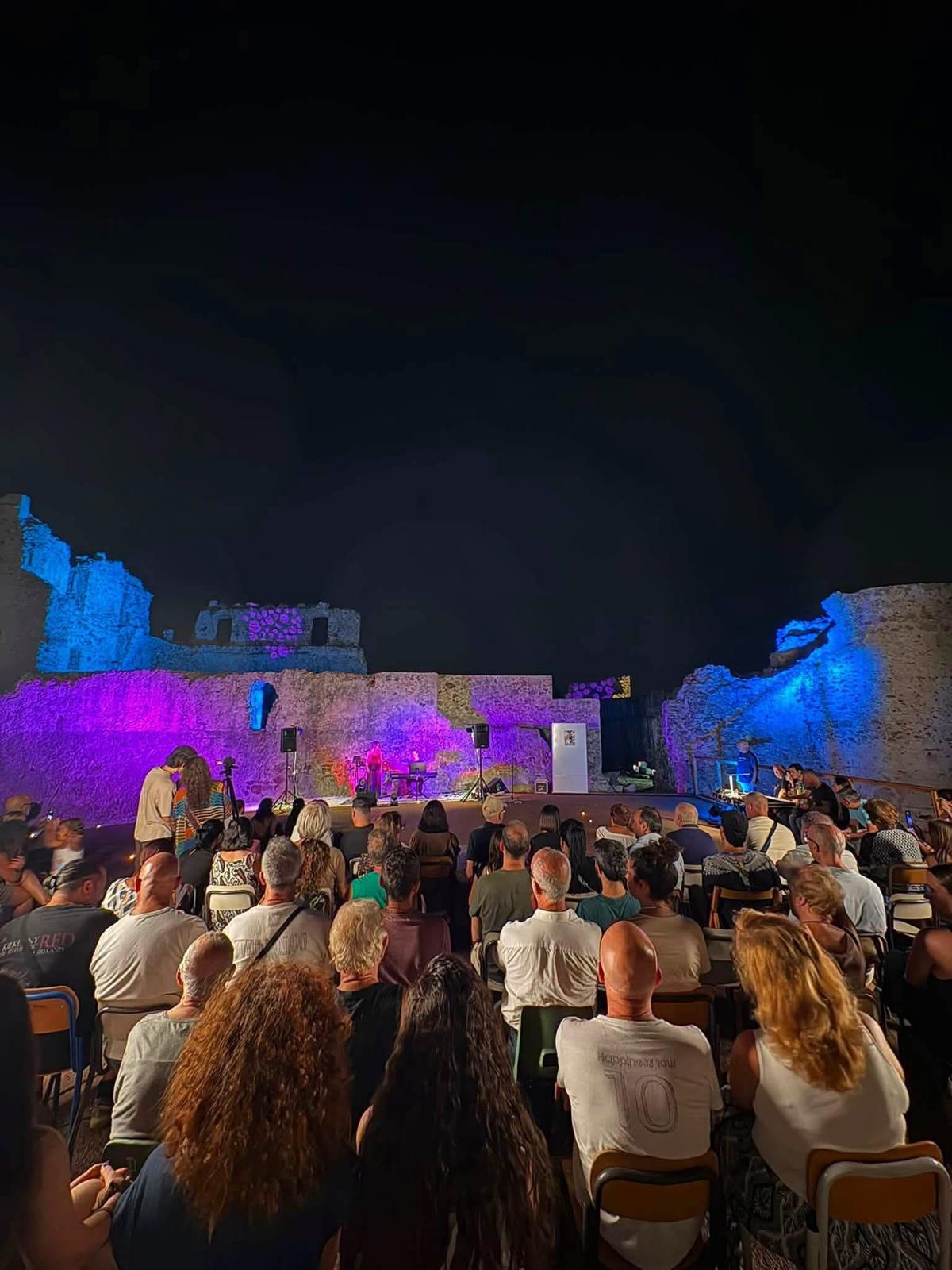
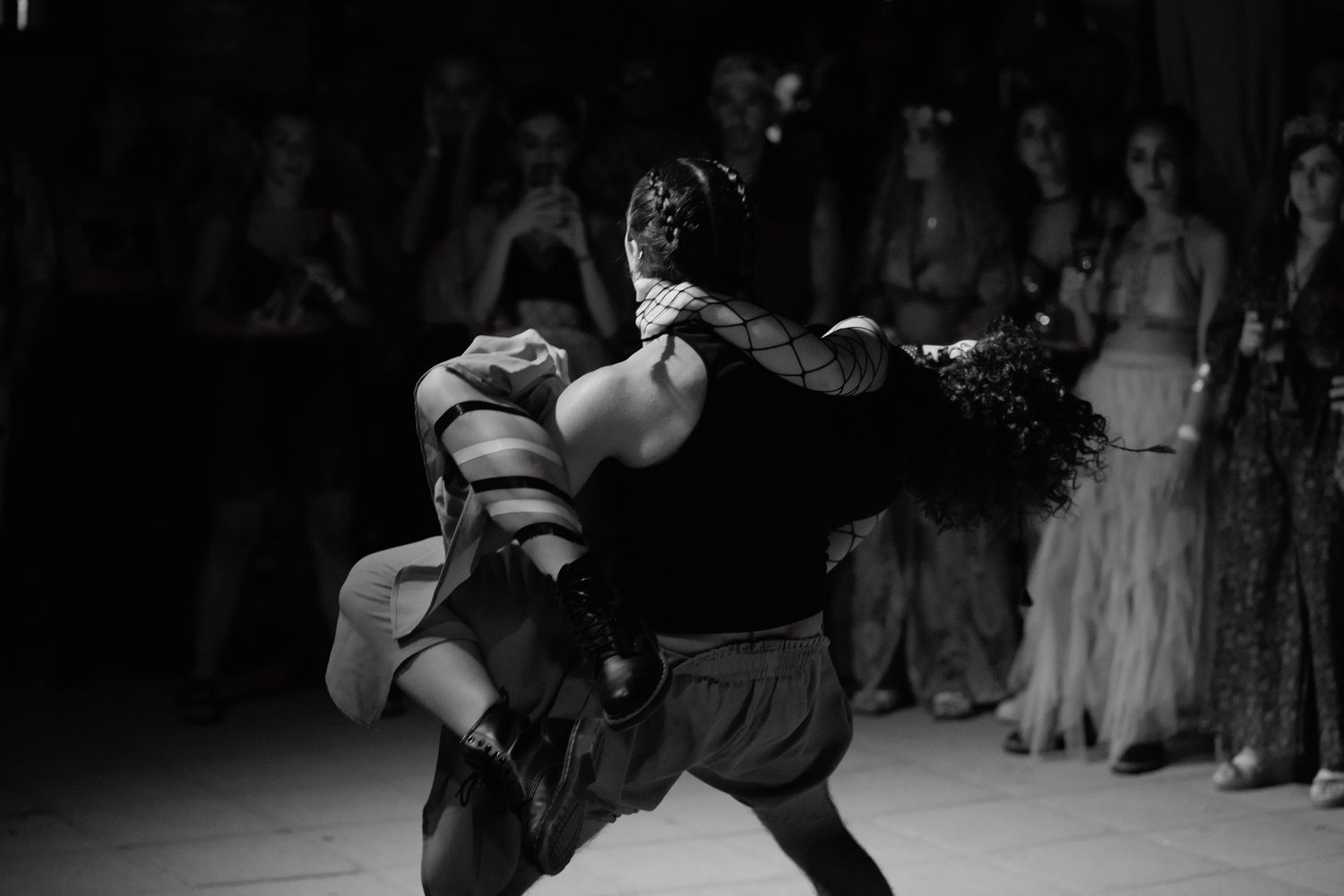
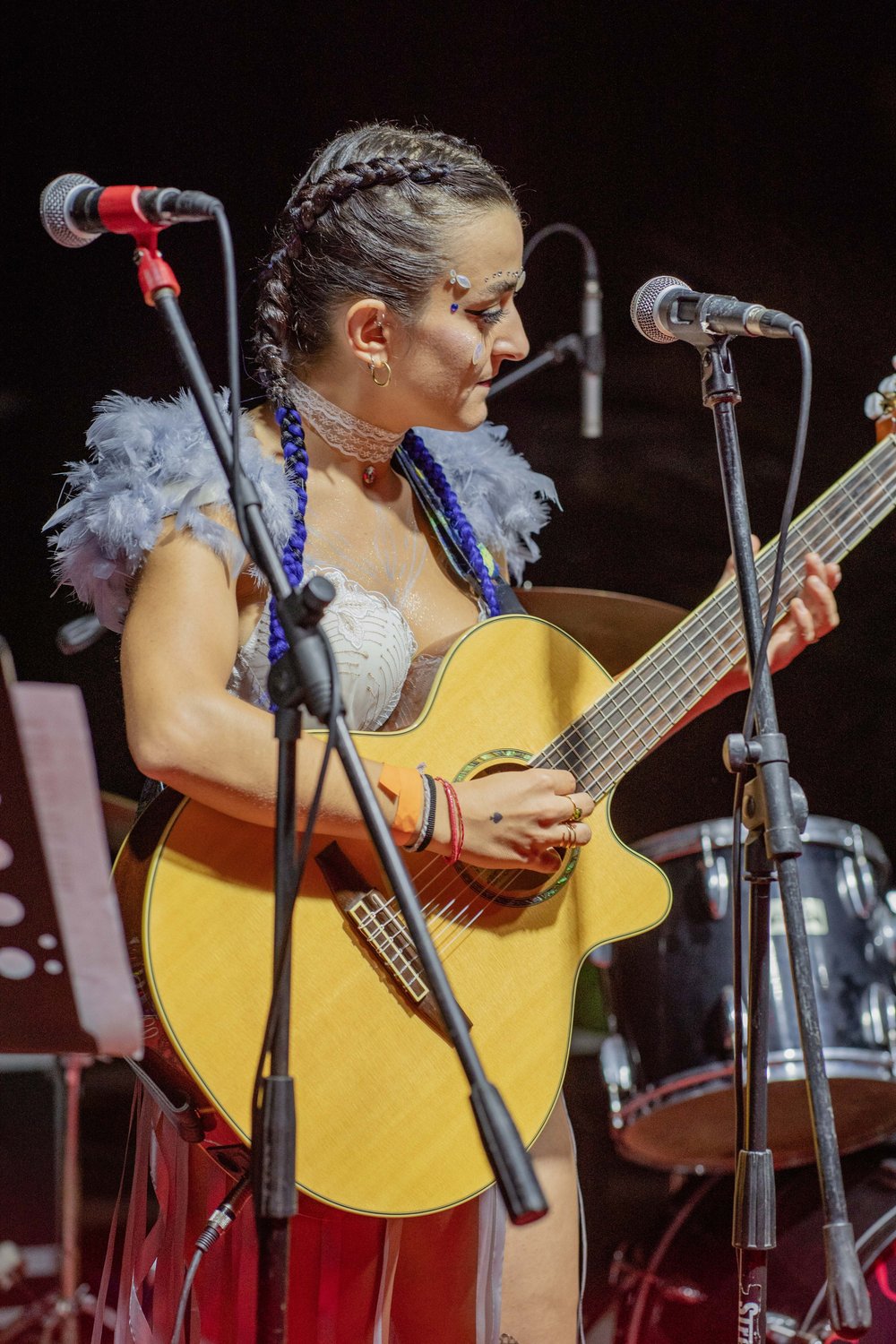
No two look alike: a festival that reawakens forgotten ruins, a Burning-Man-inspired party, an experimental music-and-video series, a night of installations inside a working car repair shop, a cyberpunk New Year. Same fuzzy vision, same room full of specialists, same coherent experience people actually feel. I just swap the screen for a ruin, a warehouse, a garage.
Same craft.
Different canvas.
Take a fuzzy vision, align a room full of specialists, and ship an experience people actually feel. It works on a screen. It works in a ruin.
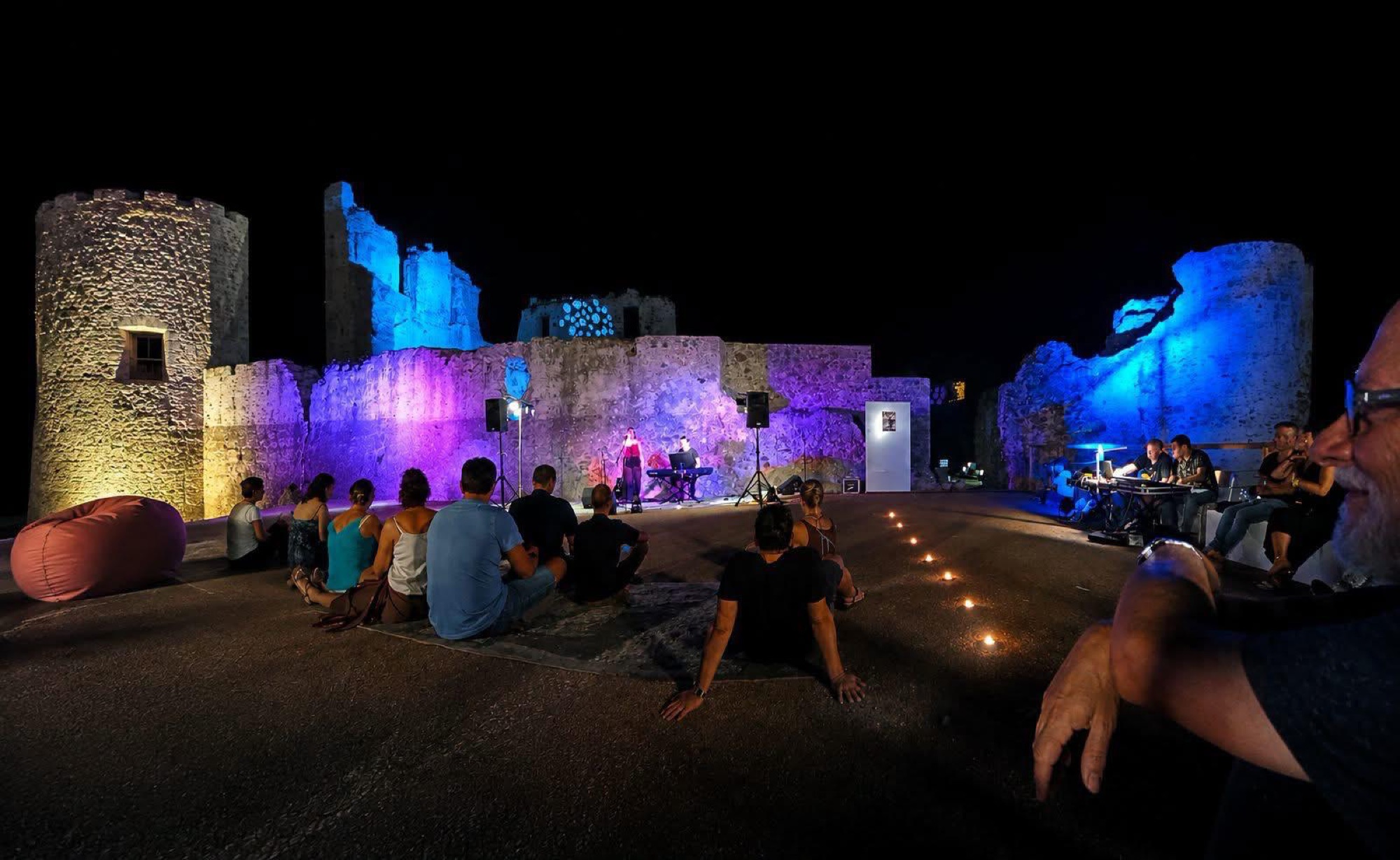
A product needs a roadmap; an event needs a concept, and each of ours asks a different question. RIEMERSA's was what should a forgotten place feel like the night it wakes up? A cyberpunk New Year asks the opposite: what world do we build from scratch?
Direction isn't control. It's giving artists, technicians, and crews enough of the vision to make good calls without me in the room, the same way one clear design principle lets a team decide without a meeting.
A ruin isn't a venue. No power, no seating, no infrastructure, just stone and a permit. Turning it into a place a crowd would gather for a night meant aligning artists, light and sound crews, and the municipality around one shared plan, and making sure none of the seams showed.
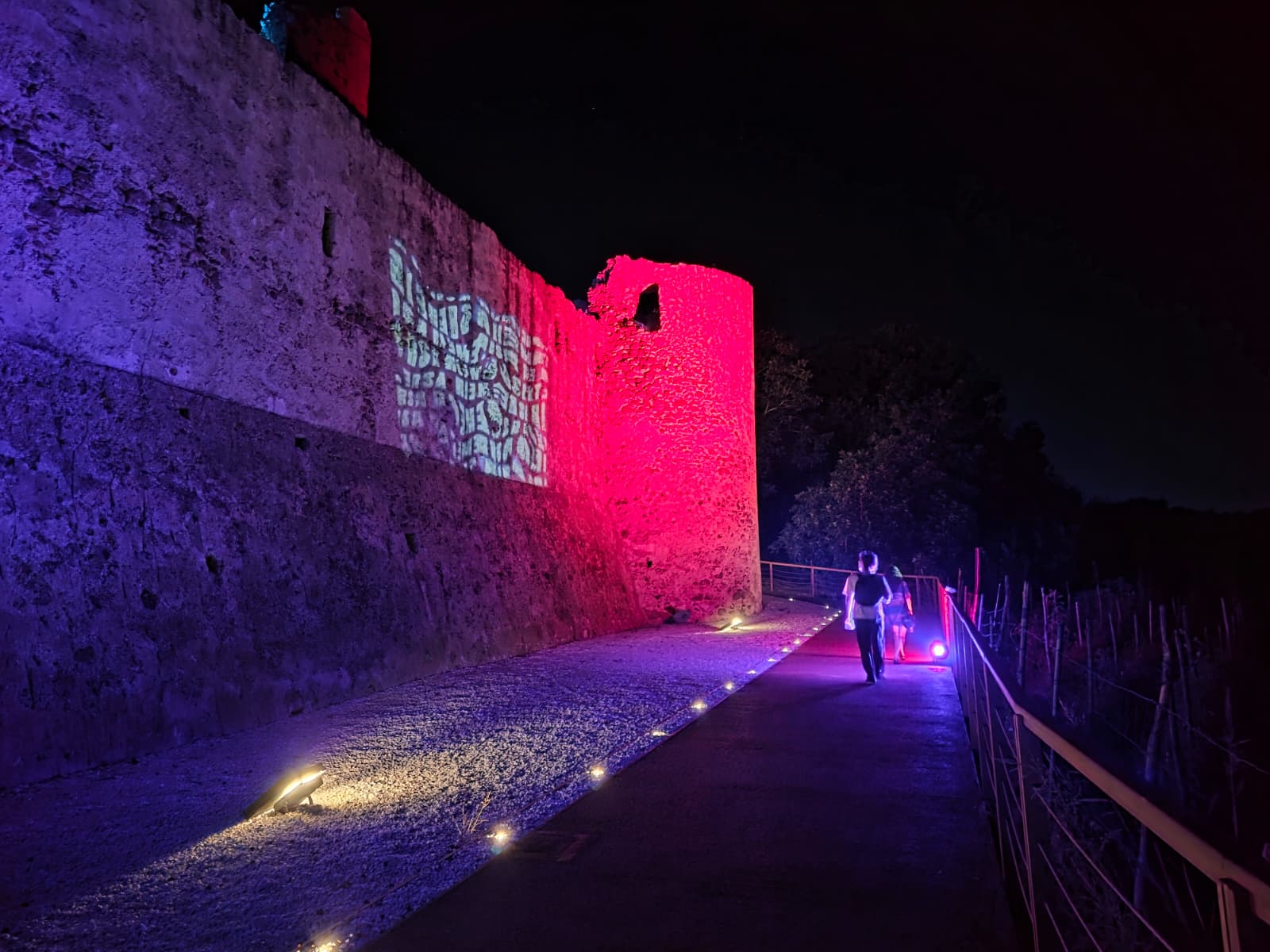
A design system makes every screen consistent. An event playbook makes each night repeatable, the lighting, the sound, the flow, the roles, the run-of-show, whether we're in a castle ruin, a car repair shop, or a Barcelona club.
Producing this many different formats taught me the same lesson my design work did: the reusable system is the real deliverable. Build it once, and the next event starts from a foundation instead of a blank page.
Whether it's a security team trusting a dashboard or a crowd sitting on the stone floor of a ruin waiting for the first note, the goal is the same: an experience that's intuitive, trustworthy, and worth remembering. Craft doesn't know the difference between a screen and a room.